
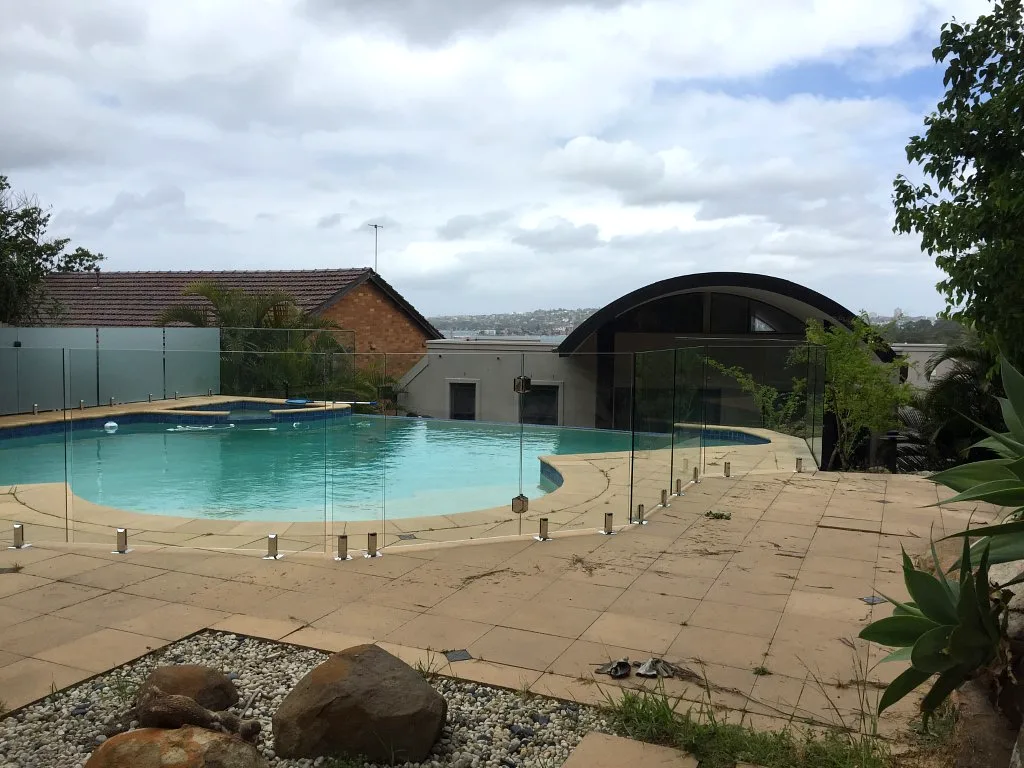
Discuss the fence before finished surfaces are locked in. Separate early layout planning from final glass measurements, and confirm barrier and inspection arrangements rather than working backwards from a hoped-for swim date.
Why pool fencing should not be the last design decision
It is easy to focus on the pool shape, coping and outdoor tiles first. Yet the barrier needs a workable line through that finished space. Leaving it until the end can reveal a gate beside a step, an unsuitable fixing edge or a garden feature in the wrong place. Early discussion creates room to change the plan while those choices are still open.
At design stage, share the proposed pool location, surrounding levels, house access and any retaining walls. Include the intended entertaining area rather than showing only the waterline. The fence should be considered as part of how people move around the yard, not as an isolated length of glass.
An early conversation is not the same as authorising glass manufacture. Concept dimensions can help develop a preliminary scope, but the final panel schedule depends on an agreed layout and verified site conditions. Ask which details must be settled before the contractor can confirm measurements.
A coordination sequence, not a fixed installation timetable
| Project stage | Fencing decision | Who needs to coordinate |
|---|---|---|
| Pool and yard design | Outline the barrier line, gate access and surface types | Owner, designer, pool builder and relevant certifier |
| Before surrounds are constructed | Review proposed support locations and structural requirements | Fencing contractor and concrete, paving or deck trades |
| Before final glass measurement | Confirm levels, dimensions and whether further work changes them | Fencing contractor and the trade controlling the finished surface |
| Before installation | Confirm access, readiness, product availability and site protection | Owner, builder and fencing contractor |
| Completion and approval | Arrange required checks and resolve outstanding items | Principal certifier and the parties responsible for the work |
Should the fence be installed before or after paving?
There is no universal answer because fencing systems and surface construction differ. The visible paving may not be the structural support for the fence. The important step is to agree how the selected system will connect to a suitable substrate and how that connection fits the proposed finish.
Before paving proceeds, ask the fencing contractor what information is needed about the supporting concrete, proposed joints and edges. Ask the paving trade how finished levels, drainage and replacement access will be managed. Do not choose a fixing position solely because it looks centred on a tile in a drawing.
Where the fixing approach requires preparation before the finish is complete, responsibilities should be explicit. Where work occurs through a completed finish, discuss protection and the treatment of any affected material. The correct sequence comes from that project-specific detail, not a generic rule that all glass fencing goes in before or after tiles.
Concrete and decking need different readiness checks
A surface that looks finished is not automatically ready for fencing. New concrete, repairs and other materials need to meet the requirements of the specified installation. Ask the responsible contractor to confirm readiness; do not rely on an assumed number of days from an unrelated project or an online schedule.
For a deck, discuss the fence while the structure can still be reviewed. The support arrangement may need consideration beyond the boards visible at the top. Plans and photographs of the framing can be helpful, but the contractor should identify whether further structural assessment is needed.
Mixed surfaces create another interface. A glass run moving from concrete to decking, or past a retaining wall, needs a coordinated layout rather than independently planned sections. Make sure the person measuring the fence knows whether a deck height or paved edge is still subject to change.
When should the final site measure happen?
The useful question is whether anything remaining on site can change the measured geometry. Unfinished steps, a proposed retaining-wall cap, a revised gate position or a changed surface level may affect panel sizes and clearances. Tell the contractor what is not yet final instead of presenting preliminary dimensions as settled.
Standard panels may give some flexibility in a straightforward layout. Custom glass ties the order more closely to the confirmed dimensions and specification. Ask what happens if later landscaping changes a measurement, who authorises the panel schedule and whether another site visit is needed before an order is placed.
Keep the current drawing in one place and mark revisions clearly. If the pool builder changes an edge or the owner moves a gate, everyone working from the earlier version needs to know. A short written confirmation can prevent an attractive drawing from becoming an incorrect manufacturing instruction.
Leave room for carrying glass and finishing other work
The route into a backyard can change during construction. A passage available before a water tank, screen or air-conditioning unit is installed may later become restricted. Tell the contractor about tight turns, stairs and overhead constraints as well as the narrowest part of the access route.
Discuss how other trades will reach the pool after the permanent fence is in place. Avoid relying on an installed gate being propped open for deliveries. A coordinated sequence should consider remaining work, safe access and protection of finished glass without treating the barrier as a temporary inconvenience.
Ask who protects new paving and where materials can be placed. Machinery, cutting work and landscaping can affect a newly finished area. These are site-management questions to settle before arrival, not a reason to delay required pool protection.
Temporary barriers and approval are separate milestones
NSW Government guidance requires child-resistant temporary fencing during new pool construction and a principal-certifier inspection after the permanent fence is installed. It also says the pool must not be used until an occupation certificate is issued. Confirm the arrangements for your build with the principal certifier.
Do not assume the glass fencing contractor supplies temporary barriers, books inspections or manages the complete pool approval. Ask who is responsible for each task and include any agreed service in writing. An installation booking is not an approval to remove existing protection or start using the pool.
What to include in a new-installation quote request
State that the enquiry is for a new pool and give the suburb, current construction stage and approximate fence length. Include a marked plan or photographs showing the proposed line, number of gates and surface types. Say whether paving, decking and landscaping designs are final or still being discussed.
Identify any target construction milestone as a planning preference, not a confirmed installation appointment. Ask about measurement readiness, product selection, potential custom panels and coordination with the builder. Those answers are more useful than seeking a fixed turnaround before the scope is understood.
A free site measure may be arranged for suitable Greater Sydney projects after the assigned contractor reviews the details. Final measurements, product choices, written pricing and scheduling are handled directly with that contractor. For a new build, include the questions that remain unresolved so the review can focus on what needs deciding next.
Planning a Glass Pool Fencing Project in Sydney?
Submit your project details to request a free quote and arrange a site measure for a suitable Greater Sydney project.
Request a Glass Pool Fencing QuoteFrequently asked questions
Can I request a fencing quote before the pool is built?
Yes. A plan and approximate dimensions can support an initial scope discussion. The contractor will need to establish which site details must be confirmed before final measurement and pricing.
Is glass fencing always installed after the pool tiles?
No. The sequence depends on the selected support system, substrate and finish. Discuss those interfaces with the fencing contractor and paving trade before either assumes a fixed order.
How long should new concrete cure before glass fencing is installed?
There is no project-independent waiting period given here. Readiness must be confirmed against the concrete, fixing system and installation requirements by the responsible professionals.
Does the fencing quote automatically include the pool inspection?
No. Installation and the required certification process are separate. Check who books inspections and what, if any, certification-related services are expressly included in the scope.
Sources
- NSW Government: building or installing a new poolReviewed 29 October 2026. See the new-pool section for temporary barriers, principal-certifier inspection and pool-use restrictions.
- NSW Government: building a pool, rights and obligationsReviewed 29 October 2026. Background on planning, approvals and coordinating a pool building project; the sequence above is a planning aid, not an approved construction programme.
This guide is general information only. It is not legal, certification, building or installation advice. Confirm site-specific pool barrier requirements with the relevant council or an accredited certifier where required.