
Submit project details
Include suburb, preferred fencing style, approximate length and any photos.
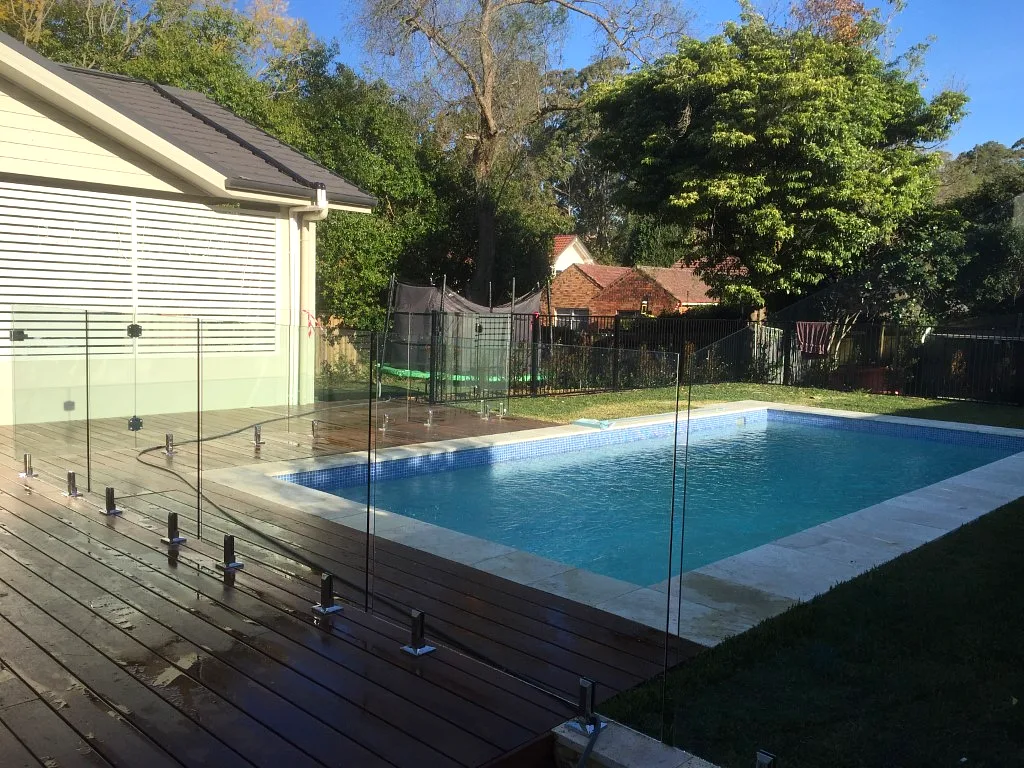
Frameless glass pool fencing uses clear glass panels secured with minimal visible hardware. It is commonly chosen for open views across the pool area and a clean, modern finish.
Frameless glass pool fencing uses clear glass panels secured with minimal visible hardware. It is commonly chosen for open views across the pool area and a clean, modern finish.
Quote requests can include your suburb, preferred style, approximate length, gate requirements, photos and access details. The assigned contractor can then review the likely scope before discussing product selections, measurements and next steps.
Frameless pool fencing is designed to make the glass panels feel visually light around the pool area. Instead of traditional posts between every panel, the glass is commonly held with spigots or a channel system fixed to a prepared surface. This can suit homeowners who want the pool, garden, deck or view to remain the focus.
For residential pools across Greater Sydney, frameless glass pool fence installation enquiries often involve new fencing, replacement fencing, glass pool gates, stepped panels, corners and custom-sized panels. The final layout depends on the pool shape, access, fixing surface, levels and applicable pool barrier requirements.
Frameless glass pool fencing often uses 12 mm toughened glass, particularly where panels need to stand without posts between them. That does not mean every panel or project will use the same specification. Panel height, exposure, layout, wind conditions, fixing method and the assigned contractor’s product range can affect the final recommendation.
Hardware is commonly selected to suit the home and pool area. Stainless steel spigots are a familiar choice for many frameless fencing projects, while powder-coated hardware may be considered where a darker finish suits surrounding frames, decking or landscape details. Glass pool gates need suitable hinges, latches and placement so daily access remains practical.
A frameless glass fence needs a suitable fixing surface. Prepared concrete and stable paving are common starting points, while timber decking or raised structures need closer assessment. Not every deck can safely support glass fencing, so the assigned contractor may need to review structure, access below the deck, edge details and fixing points before recommending an approach.
Level changes can also affect the result. Some sites need stepped panels, custom glass, adjusted gate placement or changes to the line of the fence. Access matters too because glass panels are heavy and can be difficult to carry through tight side passages, stairs or steep sites. These practical details can influence both feasibility and cost.
Frameless glass fencing cost depends on more than the length of the fence. The number of panels, custom sizes, gate count, hardware finish, fixing surface, access, removal of existing fencing and site complexity can all change the quote. A simple straight run on prepared concrete will usually be assessed differently from a stepped, curved or difficult-access project.
Glass is not maintenance-free, but regular cleaning helps preserve the finish. Pool water, salt air, garden irrigation and sunscreen residue can leave marks on glass and hardware. Homeowners should expect routine washing and occasional hardware checks, especially around gates, hinges and latches.
Include suburb, preferred fencing style, approximate length and any photos.
The assigned contractor reviews the likely scope, surface, access and gate requirements.
A free site measure may be arranged for suitable Greater Sydney projects.
Final measurements, product selections, pricing and scheduling are handled directly with the assigned contractor.
The cost depends on fence length, panel sizes, gates, hardware, fixing surfaces, access and whether any existing fencing needs removal or replacement. A quote can be prepared after the project details are reviewed.
Many frameless pool fencing projects use 12 mm toughened glass, but the final glass specification depends on the layout, fixing method, product range and site conditions.
It may be possible where the surface and base are suitable. The contractor needs to assess the paving, substrate, edge distances and fixing method before confirming an approach.
Sometimes, but not every deck is suitable. Deck structure, framing, access below the deck and fixing points need to be reviewed before glass fencing is recommended.
Fully frameless layouts usually avoid posts between standard panels and use spigots or channel-style supports. Gate hardware and some custom details may still be visible.
Glass pool gates use suitable hinge and latch hardware. Placement, panel alignment and ongoing hardware adjustment are important for reliable daily operation.
Share the project details and your enquiry can be provided to the contractor assigned to service quote requests from this website.
A free site measure may be arranged for suitable Greater Sydney projects after the enquiry is reviewed.
Request a Free Quote