
Ask for a replacement scope that separates fence removal, surface reinstatement and the new glass system. A quote for glass panels alone may not include the work needed to leave the surrounding pool area finished.
Start with the fence you have, not just the glass you want
Take wide photos of the whole metal fence before collecting close-ups. Show where each run begins and ends, how it meets walls or boundaries, and the route through the gate. Then photograph post bases, cracked tiles, loose pavers and any visible changes in level. This gives a contractor a more useful starting point than a photograph of the preferred glass style alone.
Aluminium and steel barriers can have different post arrangements, and previous repairs may have introduced mixed components. Posts may be fixed on top of a surface or embedded through it. Record what is visible rather than trying to identify hidden fixings yourself. Do not loosen a post or remove a panel to obtain a better photograph.
Decide whether your aim is simply to replace an ageing barrier or to reorganise the outdoor area. Moving the gate, widening a walkway or separating a dining zone can change the layout substantially. Describe those goals at the first enquiry so the proposed solution is not restricted to copying a fence line that no longer works well.
Can old metal fence posts and holes be reused?
Do not assume that old posts can support a glass system or that their fixing holes will suit new spigots or posts. Glass fencing is a complete arrangement of panels, supports, fixings and gates. The selected system and the underlying surface determine the support requirements; the former metal fence does not establish that the same positions are suitable.
An embedded post may leave a different reinstatement problem from a surface-mounted base plate. The practical questions are whether removal is included, what remains below the finished surface, and who will make good the surrounding area. Ask the contractor to explain the proposed treatment after inspection rather than specifying a removal method from online advice.
Where a new fence follows a slightly different line, old holes may remain visible outside the new supports. A drawing that marks both the existing and proposed lines helps reveal that issue before work starts. Reusing a route and reusing its fixing points are separate decisions.
Keeping existing paving, tiles or concrete
A paved pool surround can look sound while providing limited information about what lies beneath. The assessment needs to consider the supporting structure, edge condition and proposed fixing locations, not just the appearance of the top layer. Loose, cracked or previously patched finishes should be shown during the measure.
Ask whether you have spare matching tiles or pavers. Even where a local repair is practical, new material or patching may not match a weathered surface exactly. If the finish is discontinued, discuss the appearance of a repaired strip, a changed fence alignment or a wider resurfacing scope before choosing the final layout.
For concrete, identify visible joints, cracks and old repairs. For paving, point out areas that move or hold water. If the fence meets timber decking, that section needs its own structural assessment rather than being treated like the adjoining paved run. The contractor should identify any investigation or specialist input needed before confirming the fixing approach.
Replacement scope: what to put in writing
| Part of the project | What to clarify | Why it changes the comparison |
|---|---|---|
| Old barrier removal | Panels, gates, posts and below-surface remnants included or excluded | Removal can be a separate task from supplying the new fence. |
| Surface repairs | Who patches holes and replaces affected tiles or pavers | A finished fence does not necessarily mean finished paving. |
| New glass system | Panel layout, supports, finish and any custom glass | Different layouts can carry different product and preparation requirements. |
| Gate works | Gate position, support arrangement, hinges and latch | Changing access may alter more than one panel. |
| Site management | Access, waste removal and barrier arrangements during the changeover | Responsibilities should be settled before the old barrier is disturbed. |
Choose frameless or semi-frameless for the replacement site
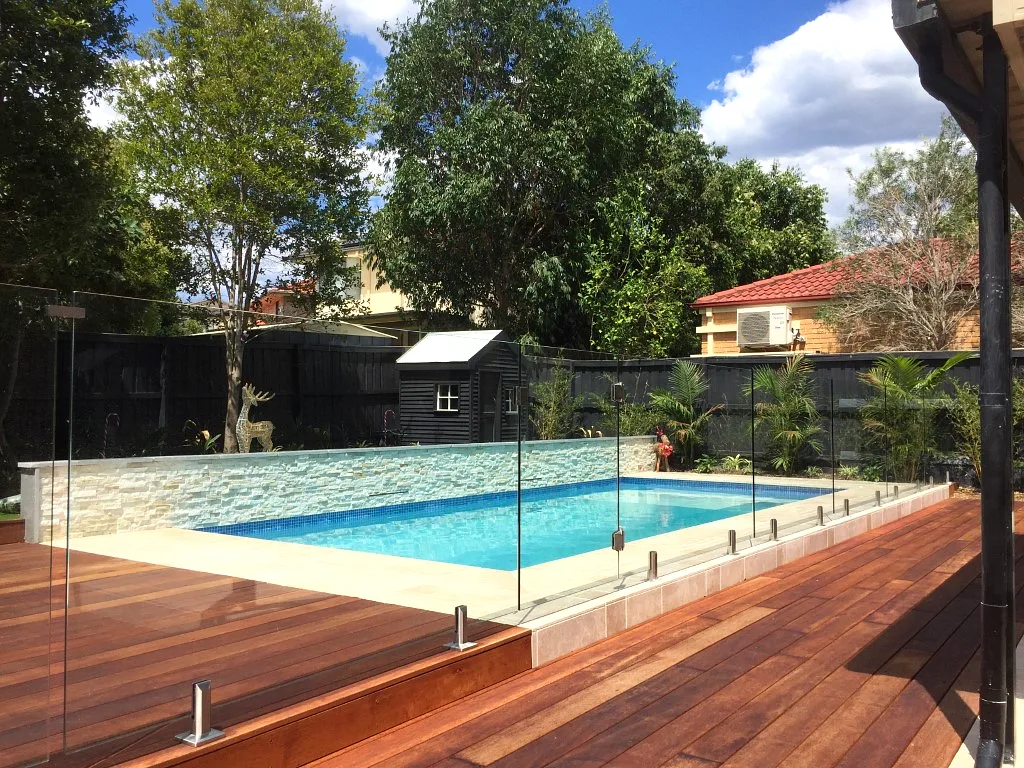
Frameless glass is worth considering when removing visible posts is a main reason for the upgrade. Semi-frameless glass retains slim supporting posts and may offer a different cost position. Neither choice removes the need to assess the substrate, corners, levels and gate supports on the actual property.
Ask to see how each option would fit the same proposed fence line. Comparing a short straight frameless run with a longer semi-frameless layout is not an equivalent comparison. Confirm the same gates, removal scope and surface work before weighing the difference in quoted price.
Existing retaining walls, garden beds and steps can affect where the panels finish. Custom-sized glass may help resolve a particular space, but it should not be assumed necessary everywhere. A measured layout allows the contractor to distinguish standard panel opportunities from genuinely unusual sections.
Review the gate while the fence line is being changed
An old metal gate may be positioned for a garden layout that has since changed. Trace the usual journey from the house to the pool and consider where someone stands while using the latch. Nearby steps, furniture and storage can make an apparently convenient position awkward in everyday use.
Show the contractor any plan to change the gate location before the glass is measured. Gate support, adjacent panels and the surrounding surface should be considered together. Do not assume that a new glass gate can simply be hung from the existing metal post or fitted into an unchanged opening.
Plan the barrier changeover before removal
NSW Government guidance makes owners responsible for maintaining a child-resistant pool barrier. Before any removal, agree on how access to the pool will remain restricted and ask the relevant council or appropriately registered certifier about the requirements for the proposed works. Do not treat a booked installation date as permission to leave a pool unprotected.
Installation and certification are separate tasks. A replacement fence or a repaired surface does not automatically provide a compliance certificate. If you have an inspection report, provide it with the enquiry so the contractor understands the documented issues without promising that fencing work alone resolves every item.
Request a replacement quote with fewer unknowns
Include your suburb, approximate fence length, gate count and photographs of the old posts and surrounding finishes. State whether you want removal, disposal and paving repairs priced, and whether the existing layout should stay. Mention planned landscaping so the proposed glass line can be considered alongside the wider renovation.
A free site measure may be arranged for suitable Greater Sydney projects after the assigned contractor reviews the enquiry. Use the project-details field to say that this is a full metal-fence replacement rather than a single gate repair. That distinction helps the contractor review the right scope from the outset.
Before accepting the quote, check the exclusions and who coordinates any separate paving or structural work. Written responsibility for those interfaces is more useful than an optimistic assumption that every finishing task is included. Final products, pricing and scheduling are agreed directly with the assigned contractor.
Planning a Glass Pool Fencing Project in Sydney?
Submit your project details to request a free quote and arrange a site measure for a suitable Greater Sydney project.
Request a Glass Pool Fencing QuoteFrequently asked questions
Will a glass pool fence hide the old aluminium post holes?
Not necessarily. New supports may sit in different positions, leaving former fixing points visible. Ask for the proposed fence line and the surface-repair scope to be explained together.
Can existing tiles stay when metal pool fencing is replaced?
They may be retained, but their condition, the structure beneath and the proposed fixings need assessment. Local removal or repair may be necessary, and matching an older finish is not always possible.
Does a replacement quote include removing the steel fence?
Only if the written scope includes it. Check panels, gates, posts, waste removal and any below-surface work separately from the new glass supply and installation.
Should I replace the paving before asking about glass fencing?
Ask about the fence first if resurfacing is planned. The contractor and paving trade can then coordinate the support positions and finished levels before new work limits the options.
Sources
- NSW Government: pool owner obligationsReviewed 29 October 2026. Source for owner responsibilities and the distinction between barrier work and certification; surface-planning points are general editorial guidance.
This guide is general information only. It is not legal, certification, building or installation advice. Confirm site-specific pool barrier requirements with the relevant council or an accredited certifier where required.